Croatia

Šibenik

Croatia offers beautiful historic cities such as Šibenik, which lies on the Adriatic coast and captivates with its historical charm. The city is renowned for its unique Cathedral of St. James and its small, picturesque streets that hide numerous cultural and gastronomic delights.
Dubrovnik is known for its historic walls that surround the old town as well as its crystal-clear sea. This city, also called the “Pearl of the Adriatic,” offers a unique experience through charming streets, historical landmarks, and breathtaking views.

Dubrovnik

Ston

Ston is famous for its magnificent city walls, historic salt pans, and picturesque coastline on the Adriatic Sea. It is also known for its well-preserved medieval architecture and gastronomy, including premium shellfish and olive oil.
Korčula is an island in the Adriatic Sea that captivates with its picturesque coastline and rich cultural heritage. The town of Korčula is known for its ancient architecture, city walls, and traditions, as well as its unique wines and olive oil. It is also believed that the famous explorer Marco Polo was born on Korčula.

Korčula

Hvar

Hvar delights with its sunny beaches, vibrant nightlife, and historic town center. The town is known for its impressive Venetian buildings, lively marina, and stunning views of the surrounding Adriatic islands.
Split combines Mediterranean charm, a vibrant atmosphere, and the stunning coastline of the Adriatic Sea. The city is known for Diocletian’s Palace, built in the 4th century, which forms the heart of the historic center. A walk along the Riva offers a perfect experience of the Mediterranean lifestyle – with the scent of the sea and exquisite gastronomy, a visit to Split becomes an unforgettable experience.

Split

Zadar

Zadar offers a unique combination of history, modern architecture, and beautiful coastlines. The city is known for its ancient walls, the Monument to the Sun, and the Sea Organ, which create fascinating sound and visual experiences.
Opatija is famous for its elegance, beautiful villas, and seaside promenade. The town is known for its Austro-Hungarian era architecture, as well as its parks and luxurious hotels that offer a premium vacation experience for all tourists.

Opatija

Trogir

Trogir captivates with its well-preserved old town, which is under UNESCO protection. The city is full of charm with its narrow medieval streets, the famous St. Lawrence Cathedral, and a picturesque marina for curious sailors.
Located on the western coast of Istria, Rovinj is one of the most beautiful cities on the Adriatic. The city is known for its Venetian architecture, lively markets, and stunning beaches. For nature lovers, Rovinj offers the Rovinj Camp and Zlatni Rt Nature Park, with beautiful forests, cycling and hiking trails, and idyllic coves for swimming.

Rovinj

Pula

Pula stands out with its rich historical heritage and impressive Roman architecture, with the magnificent amphitheater being a particular highlight. This city offers a unique experience of history and atmosphere for tourists from all over the world.
Motovun is a picturesque medieval town situated atop a hill in the heart of Istria. This town, with its rich history and incredible panoramic views, attracts visitors with its unique atmosphere and charming old streets.

Motovun

Krka

The Krka River is one of the most beautiful rivers in Croatia, located in the Šibenik-Knin County. It is known for its wonderful waterfalls and clear, pristine waters. The Krka flows through the eponymous National Park, which was established in 1985 to protect the rich nature and cultural heritage of this area.

Plitvice Lakes is the oldest and most famous national park in Croatia. Situated in the mountainous region of Lika and part of the UNESCO World Heritage, these lakes offer unique and magnificent waterfalls surrounded by lush vegetation, making them a true gem of natural beauty that takes every visitor’s breath away.

Plitvice lakes

Some Influential Croats
Školsko doba / School

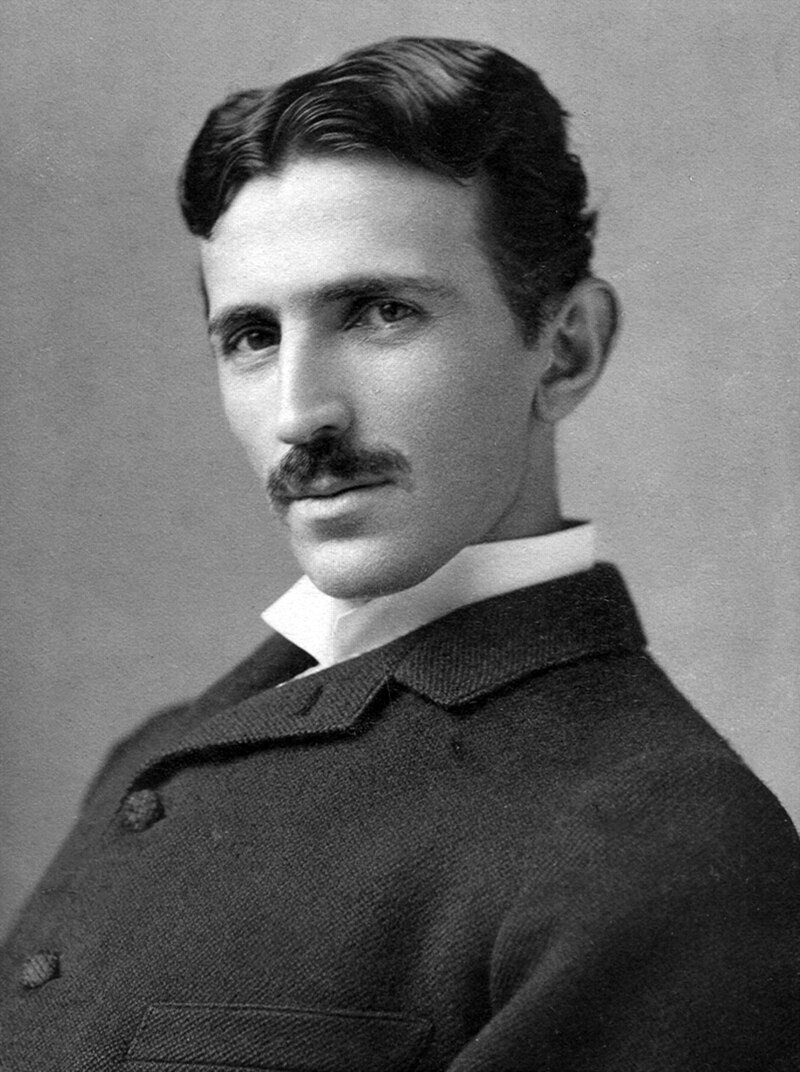
Nikola Tesla (1856–1943)

Nikola Tesla was one of the most influential inventors of the modern era. Born in the Croatian village of Smiljani, he later attended the gymnasium in Karlovac. Later in his life, he resided in the United States. Throughout his life, he invented and patented over 100 appliances that we still use to this day, like the alternating current electricity, the early radio, the tesla coil, fluorescent and neon lighting.
Školsko doba / School

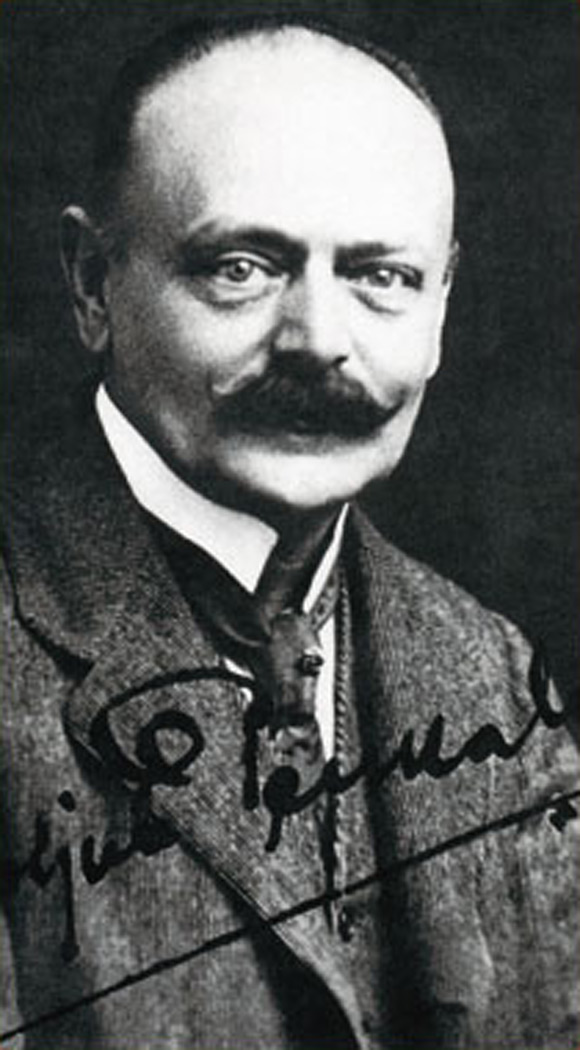
Eduard Slavoljub Penkala (1871–1922)

Born in the region of Slovakia, later lived in Zagreb. An inventor who designed and patented the mechanical pencil in 1906, and improved the fountain pen in 1907. His company, Penkala-Edmund Moster & Co, manufactured pencils and fountain pens in 70 countries, which at the time placed it among the world’s largest producers of writing instruments.
Školsko doba / School

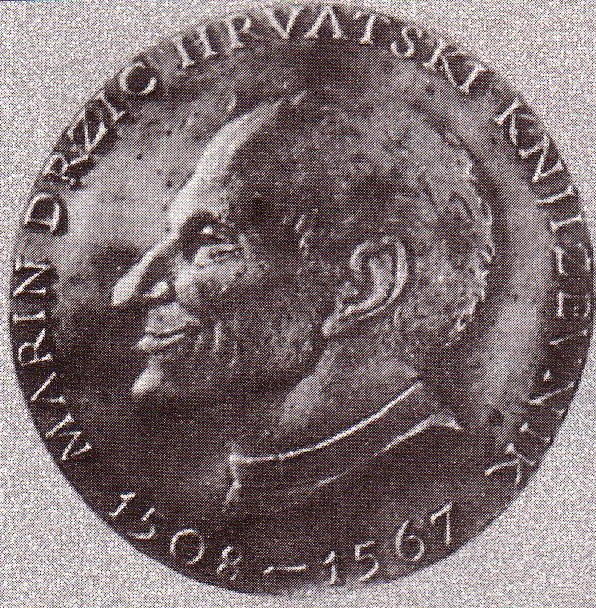
Marin Držić (1508–1567)

A famous Renaissance poet and playwright known as the “father of the Croatian drama”, or better known by his nickname “Vidra.” Born in Dubrovnik, he later moved to Venice, where he died. His works include the comedy “Dundo Maroje”, the comedy “Skup”, and the verse drama “Novela od Stanca.” His plays started performing in 1548, mostly at wedding parties.
Hrvatska / Croatia

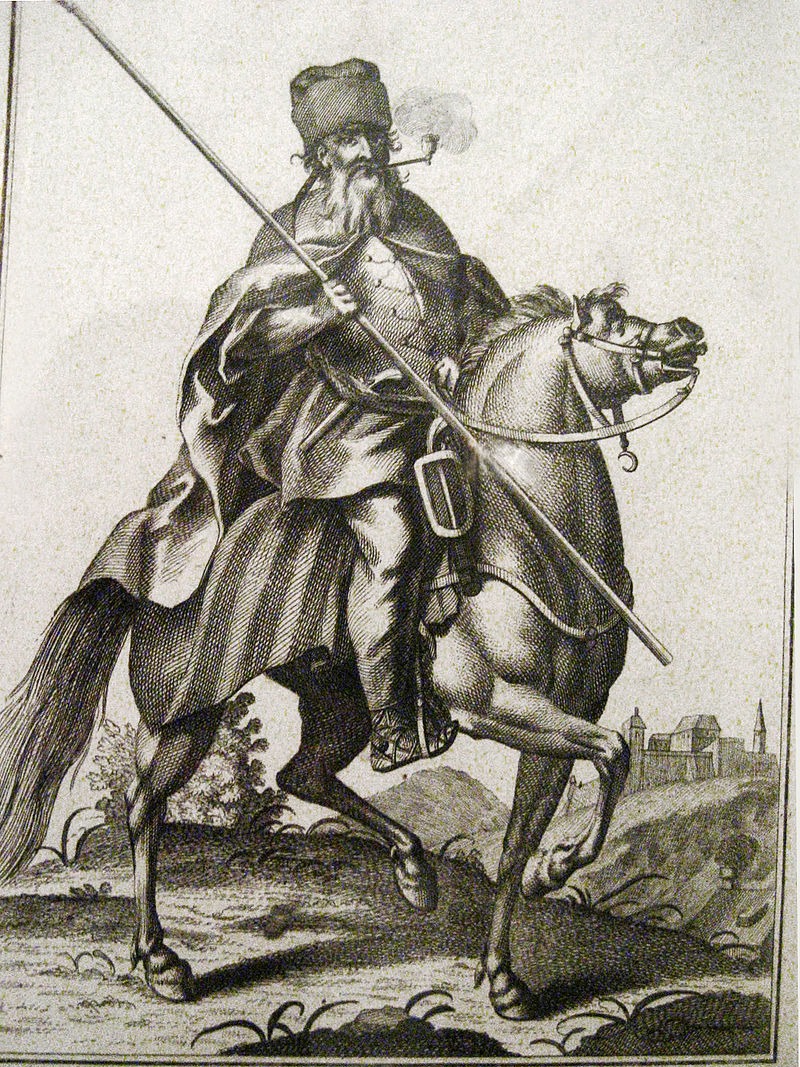
Joža Batalekov (16th century)

A hussar who is believed to have invented the necktie. Many Croatian hussars who fought in the ranks of the French army during the 17th century wore neckties. The very name comes from the French word cravate. French King Louis XIV took a liking to neckties and wore them, and they soon spread throughout France and later across all of Europe.
Hrvatska / Croatia

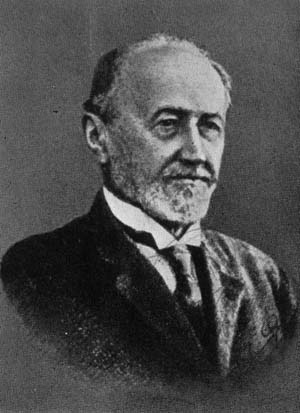
Ivan Vukić / Giovanni Luppis (1813–1875)

Born in Rijeka, he later lived in Italy. Served as a naval officer in the Austro-Hungarian Navy. Invented the first torpedo in 1860, named Salvacoste. His torpedoes were later perfected by British engineer Robert Whitehead, who then began using them in navies around the world. In 1874, the world’s first torpedo factory, Whitehead & Co., was founded in the Croatian city of Rijeka.
Hrvatska / Croatia

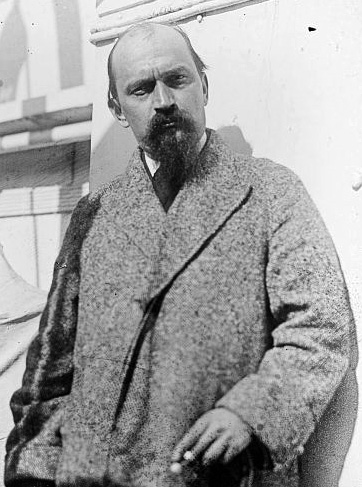
Ivan Vučetić (1858–1925)

Born on the island of Hvar, later moved to Argentina in 1884, where he also passed away. Known as the father of dactyloscopy (fingerprint identification). He developed the fingerprint method in 1891, which later spread around the world.
Školsko doba / School

Ivan Meštrović (1883–1962)

He was born in Croatia but later lived in the United States. He is the most prominent sculptor of Croatian modern sculpture, known for his works in Europe and America, such as The Fountain of Life in Zagreb, Distant Chords in Split, and The Bowman and The Spearman in Chicago. Motivated by the tragedies of World War I, Meštrović turned to religion and filled his works with biblical motifs.

Ruđer Bošković (1711–1787)
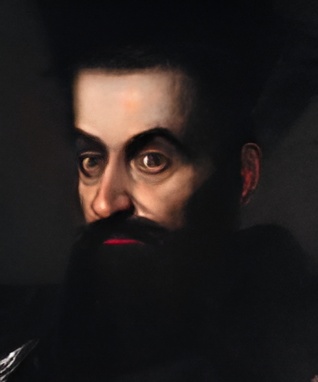
Mathematician, astronomer, surveyor, and physicist. Born in Dubrovnik, he later resided in Italy. He contributed to the reconstruction of St. Peter’s Basilica and proposed the “Bošković’s demon,” which served as the basis for the philosophical concept of “Laplace’s demon.”

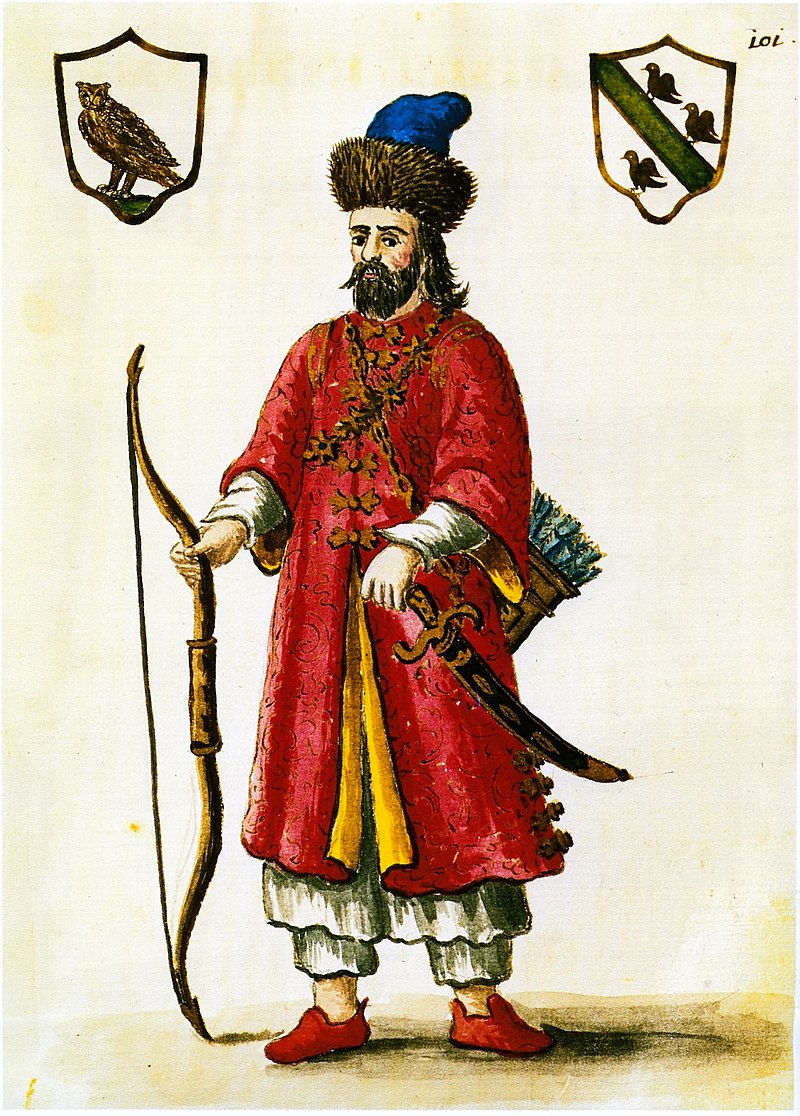
Marco Polo (1254 – 1324)

Believed to have been born on the island of Korčula, which was then occupied by Venice. An explorer who traveled to China along the Silk Road with his father and uncle, Niccolò and Maffeo Polo. During his travels to China, he was employed by Kublai Khan, the first emperor of the Yuan dynasty, to travel throughout Southeast Asia as a diplomat. Visiting countries like India, Indonesia and Vietnam. After 24 years, he returned to his hometown of Venice and documented his journeys in the book “The Travels of Marco Polo.”
Školsko doba / School

Faust Vrančić (1551 – 1617)

Born in Šibenik, later residing in Venice, Vrančić was a well-known inventor, linguist, and bishop. He invented the parachute and introduced a new design of windmills with blades. He also wrote the book Machinae Novae, in which he proposed 56 new constructions, and the Dictionarium, the first Croatian dictionary published in 1595, which served as a translation from Latin into Italian, Croatian, German, and Hungarian.

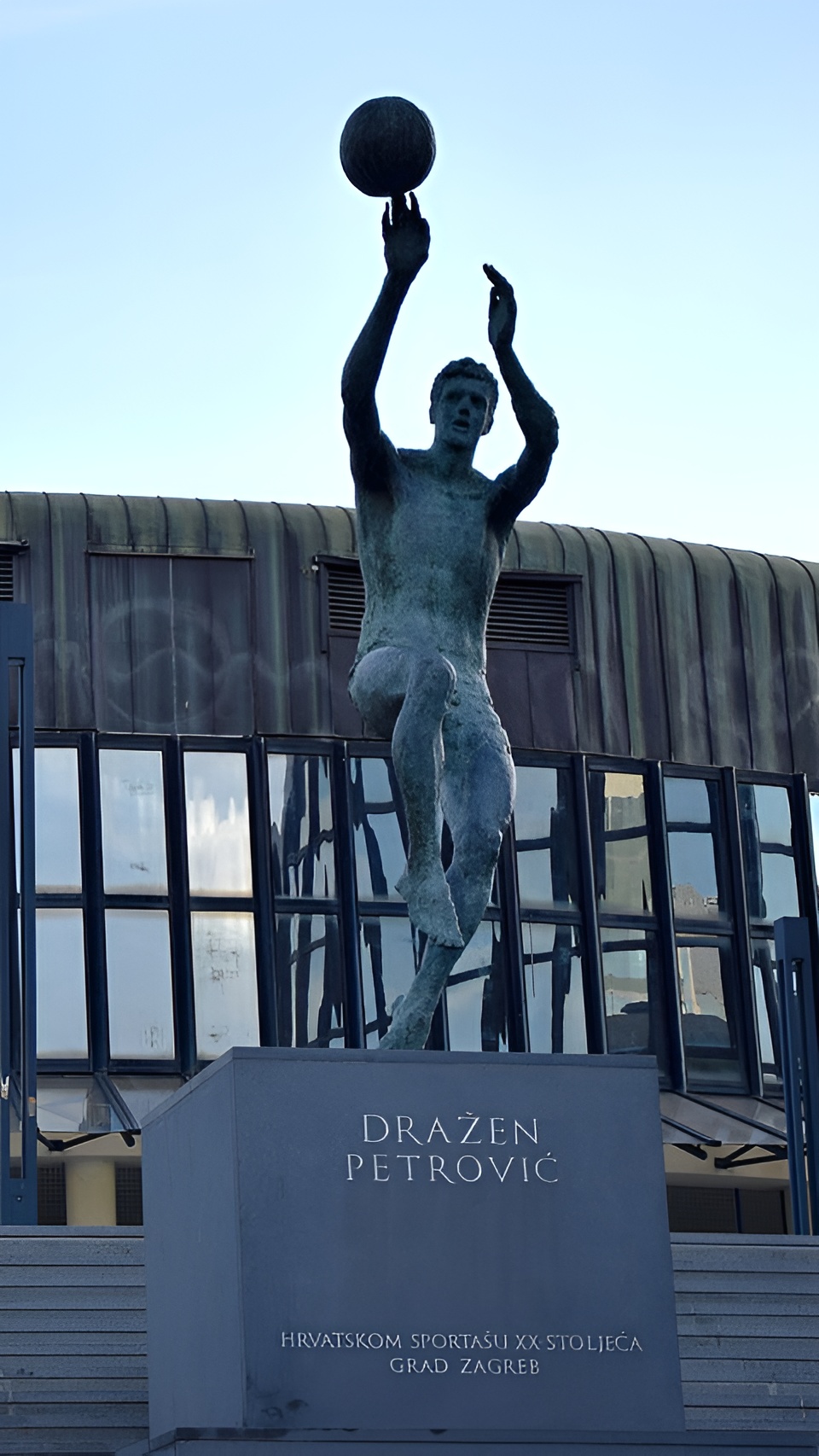
Dražen Petrović (1964–1993)

Born in 1964 in the city of Šibenik, Dražen Petrović, known by the nickname ‘The Mozart of Basketball,’ was one of the greatest basketball players in the world. He began his career at the age of 15, and from then on, led the Šibenik basketball club to first place in Yugoslavia. In 1984, he transferred to the Zagreb Cibona team. In 1990, he officially became a member of the NBA. Along the way, he also played for the Croatian national team at the Olympic Games, where they won the silver medal in 1992.
Hrvatska / Croatia

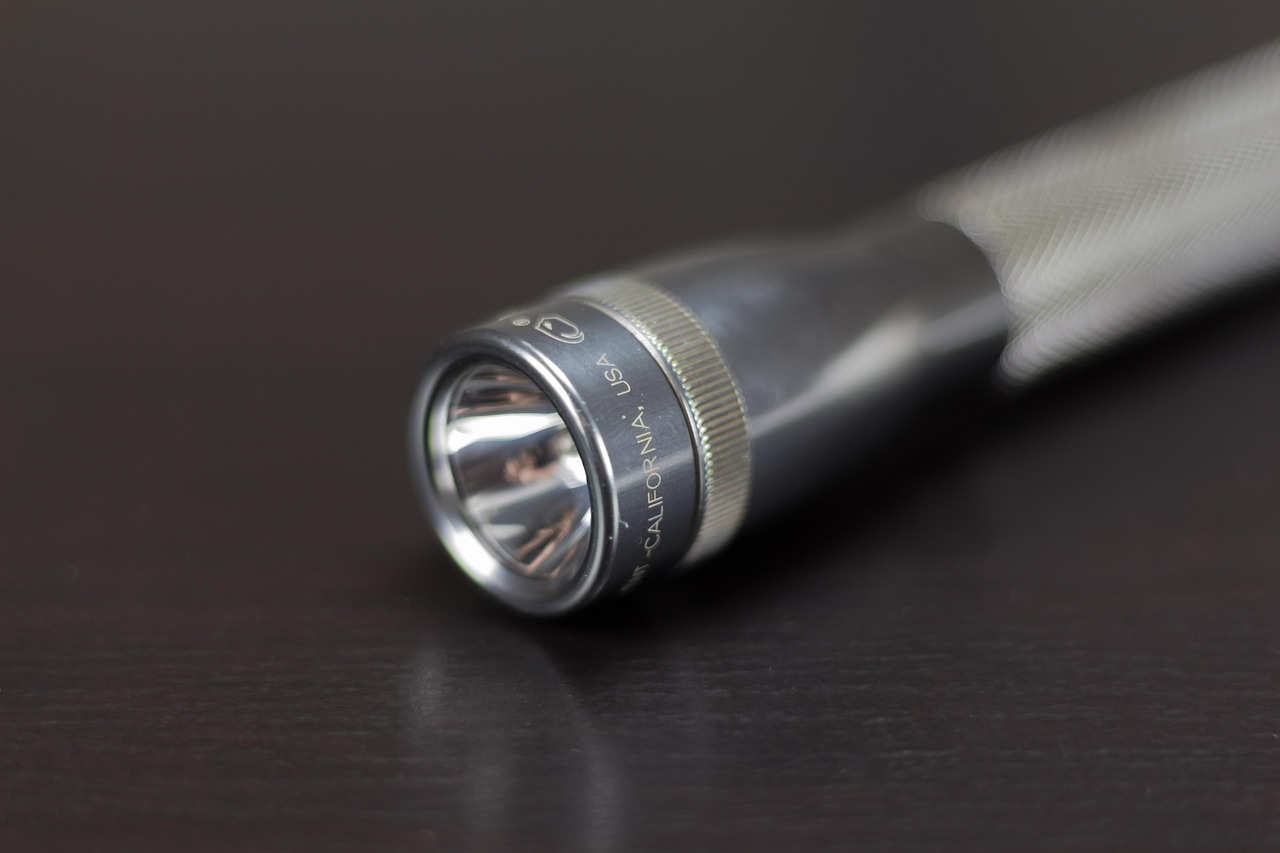
Ante Maglica (1930–)

He was born in New York but was later raised in Croatia. After World War 2, he returned to the United States. Invented the maglite battery in 1979. Later, he founded Mag Instrument, Inc which still produces his maglite batteries today. The maglite batteries are well known for their ability to adjust their focus, allowing for narrow and wide light spread.
Hrvatska / Croatia

Zlata Bartl (1920-2008)

Born in Bosnia and Herzegovina, later living in Croatia, she worked as a chemical technician at the company Podravka. In 1959, she invented the seasoning Vegeta, Croatia’s favorite condiment. Vegeta later made its way onto the global market, and Bartl served as an inspiration to other women to succeed in the industry.
Hrvatska / Croatia

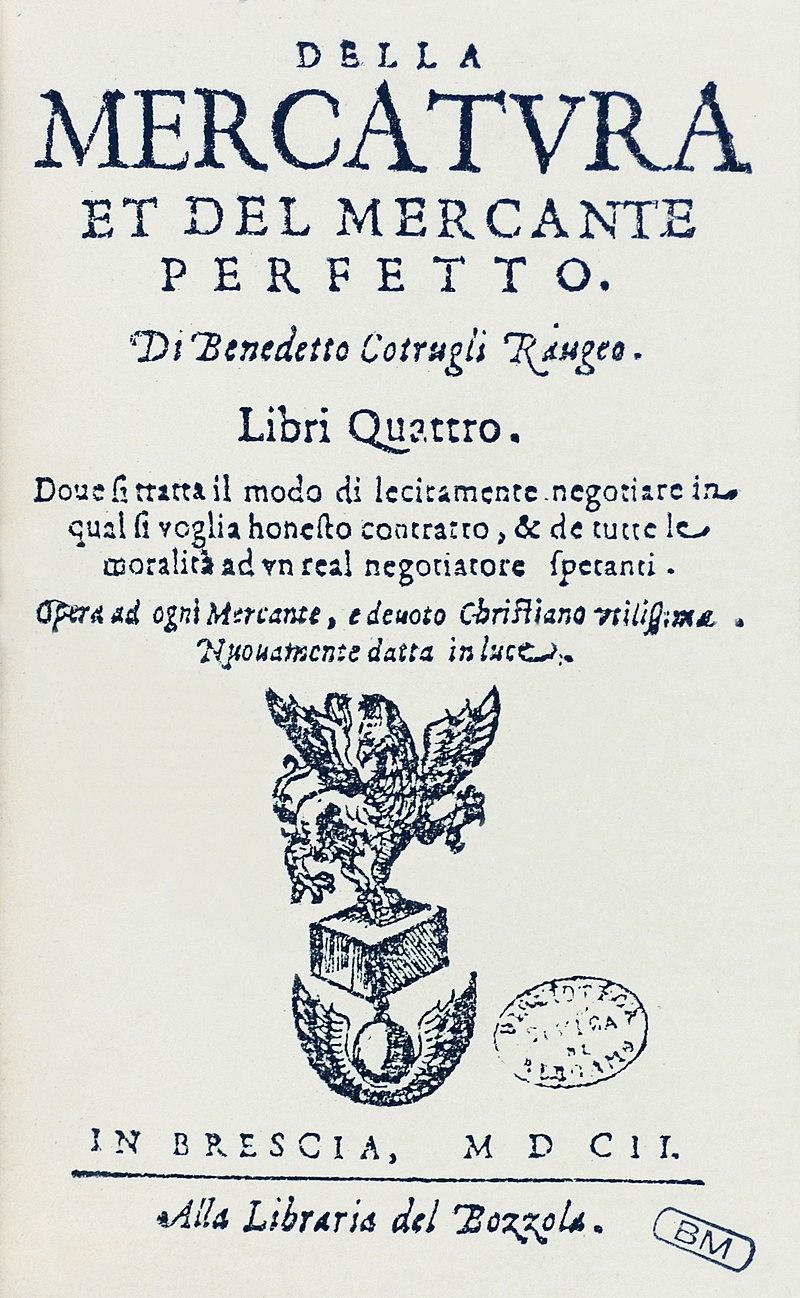
Benedikt Kotruljević (1416–1469)

Lived in Dubrovnik. In his manuscript Della mercatura e del mercante perfetto, he provided the first example of double-entry bookkeeping, where every entry to one account requires a corresponding and opposite entry to another account (the debit and credit system).

Let's create amazing memories together