
Croatia
Šibenik
Dubrovnik
Ston
Korčula
Hvar
Split
Zadar
Opatija
Trogir
Rovinj
Pula
Motovun
Krka
The Krka River is one of the most beautiful rivers in Croatia, located in the Šibenik-Knin County. It is known for its wonderful waterfalls and clear, pristine waters. The Krka flows through the eponymous National Park, which was established in 1985 to protect the rich nature and cultural heritage of this area.
Plitvice Lakes is the oldest and most famous national park in Croatia. Situated in the mountainous region of Lika and part of the UNESCO World Heritage, these lakes offer unique and magnificent waterfalls surrounded by lush vegetation, making them a true gem of natural beauty that takes every visitor’s breath away.
Plitvice lakes
Some Influential Croats
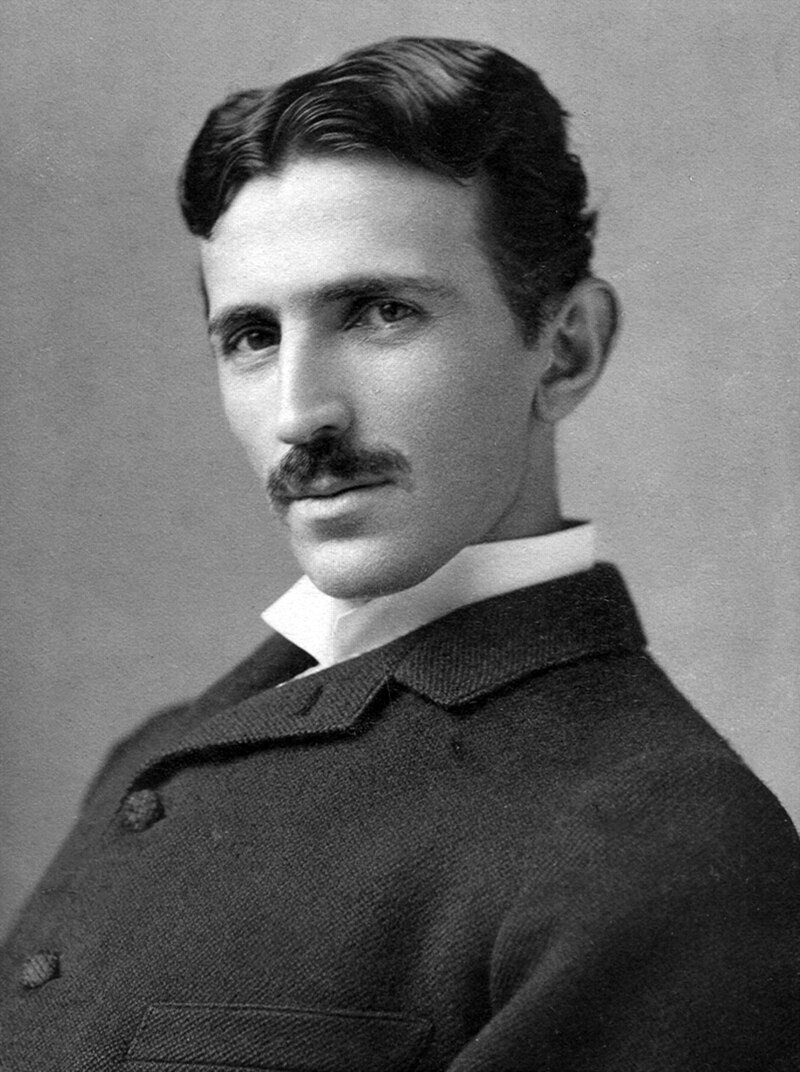
Nikola Tesla (1856–1943)
Nikola Tesla was one of the most influential inventors of the modern era. Born in the Croatian village of Smiljani, he later attended the gymnasium in Karlovac. Later in his life, he resided in the United States. Throughout his life, he invented and patented over 100 appliances that we still use to this day, like the alternating current electricity, the early radio, the tesla coil, fluorescent and neon lighting.
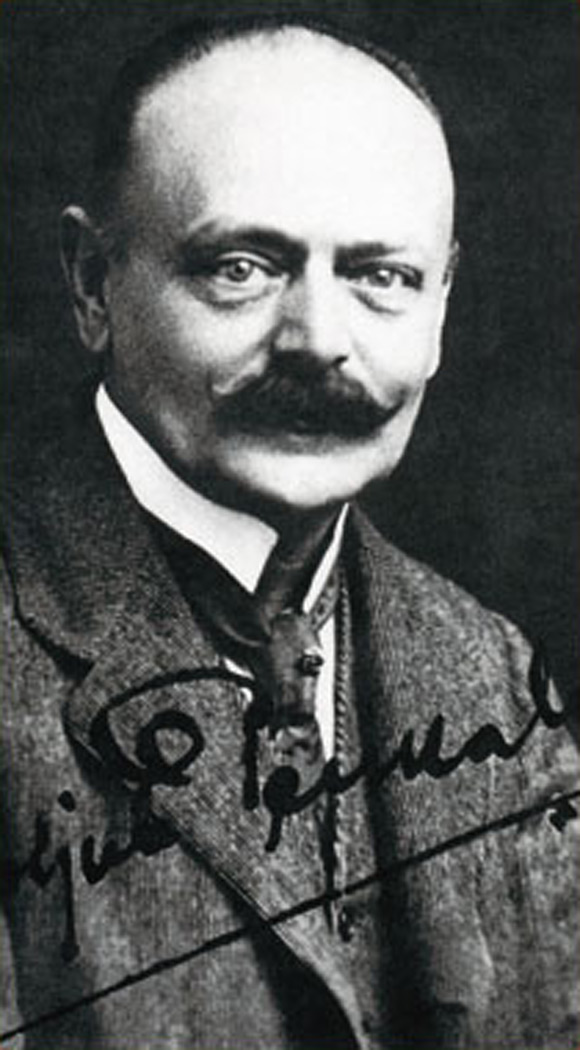
Eduard Slavoljub Penkala (1871–1922)
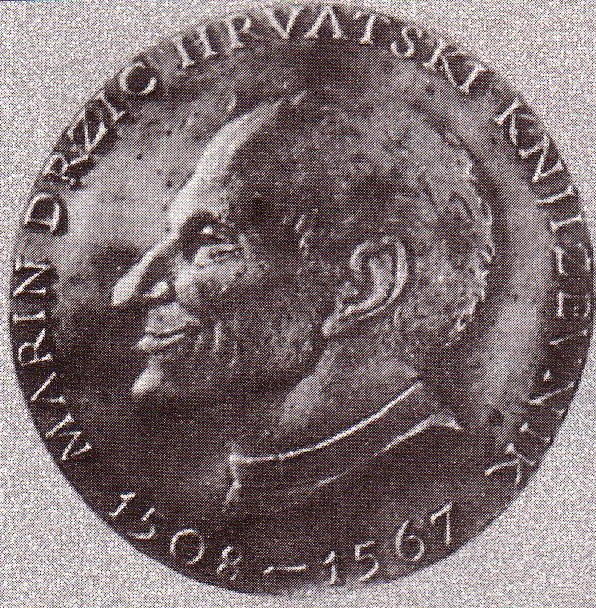
Marin Držić (1508–1567)
A famous Renaissance poet and playwright known as the “father of the Croatian drama”, or better known by his nickname “Vidra.” Born in Dubrovnik, he later moved to Venice, where he died. His works include the comedy “Dundo Maroje”, the comedy “Skup”, and the verse drama “Novela od Stanca.” His plays started performing in 1548, mostly at wedding parties.
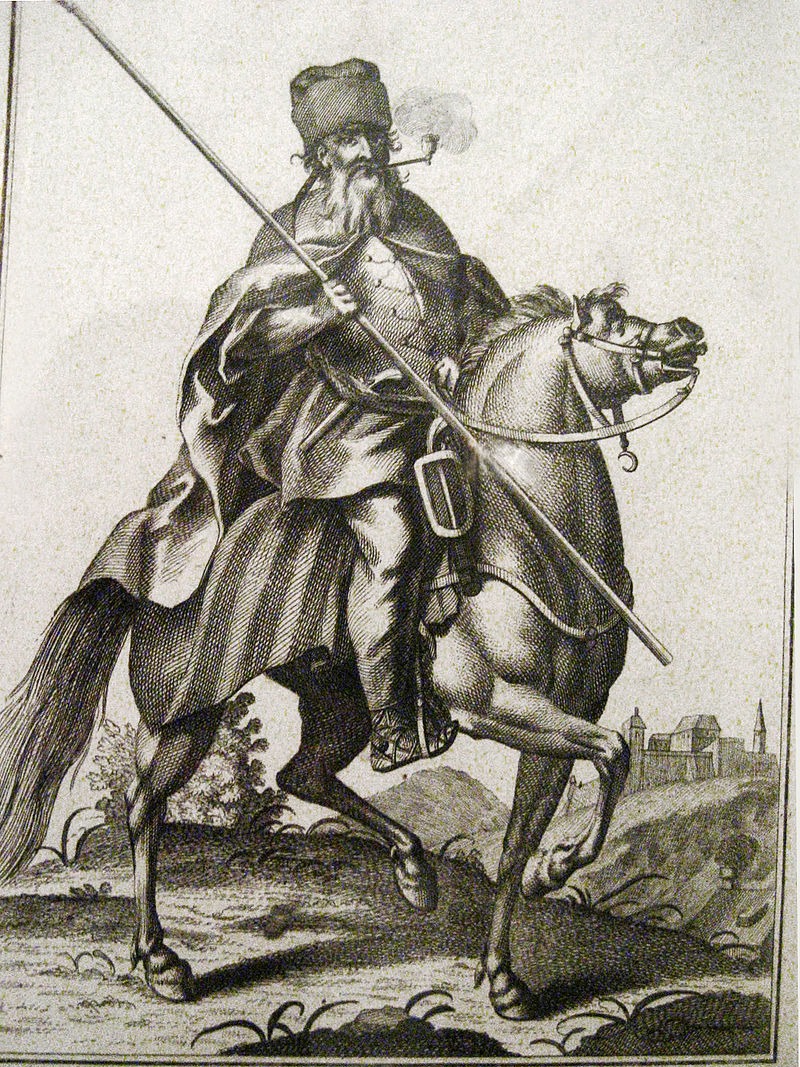
Joža Batalekov (16th century)

Ivan Vukić / Giovanni Luppis (1813–1875)
Born in Rijeka, he later lived in Italy. Served as a naval officer in the Austro-Hungarian Navy. Invented the first torpedo in 1860, named Salvacoste. His torpedoes were later perfected by British engineer Robert Whitehead, who then began using them in navies around the world. In 1874, the world’s first torpedo factory, Whitehead & Co., was founded in the Croatian city of Rijeka.
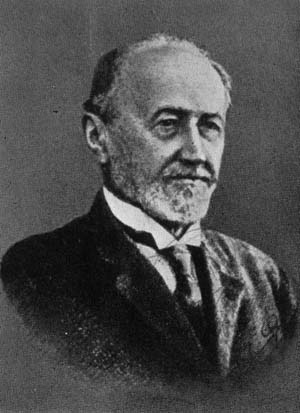
Ivan Vučetić (1858–1925)
Born on the island of Hvar, later moved to Argentina in 1884, where he also passed away. Known as the father of dactyloscopy (fingerprint identification). He developed the fingerprint method in 1891, which later spread around the world.
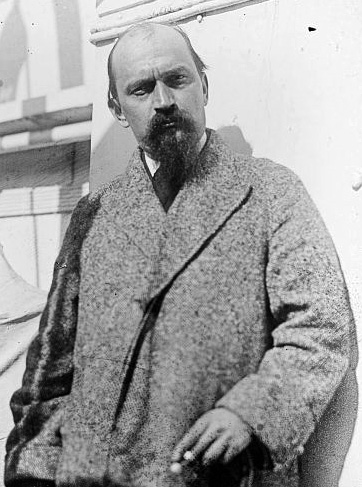
Ivan Meštrović (1883–1962)
He was born in Croatia but later lived in the United States. He is the most prominent sculptor of Croatian modern sculpture, known for his works in Europe and America, such as The Fountain of Life in Zagreb, Distant Chords in Split, and The Bowman and The Spearman in Chicago. Motivated by the tragedies of World War I, Meštrović turned to religion and filled his works with biblical motifs.

Ruđer Bošković (1711–1787)
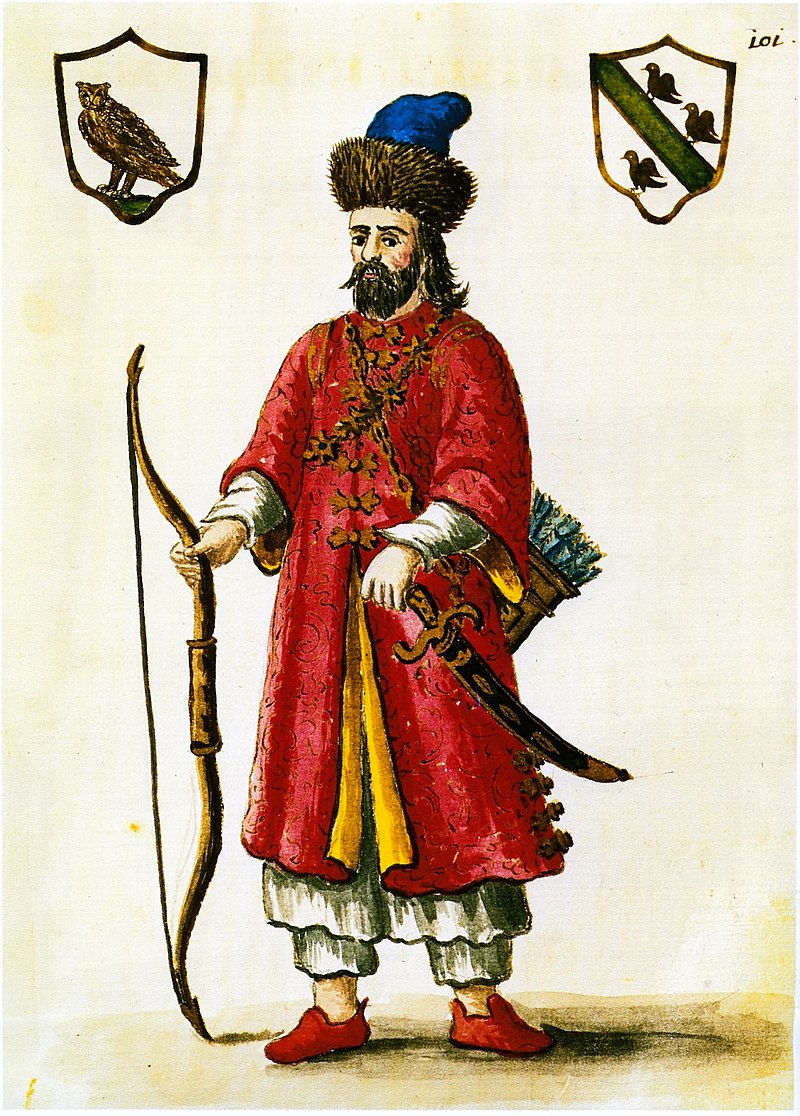
Marco Polo (1254 – 1324)
Believed to have been born on the island of Korčula, which was then occupied by Venice. An explorer who traveled to China along the Silk Road with his father and uncle, Niccolò and Maffeo Polo. During his travels to China, he was employed by Kublai Khan, the first emperor of the Yuan dynasty, to travel throughout Southeast Asia as a diplomat. Visiting countries like India, Indonesia and Vietnam. After 24 years, he returned to his hometown of Venice and documented his journeys in the book “The Travels of Marco Polo.”
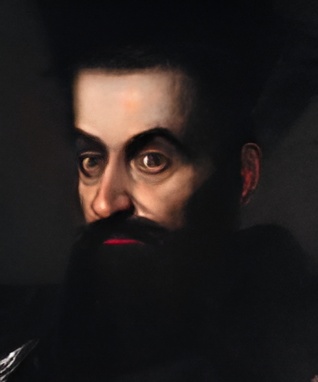
Faust Vrančić (1551 – 1617)
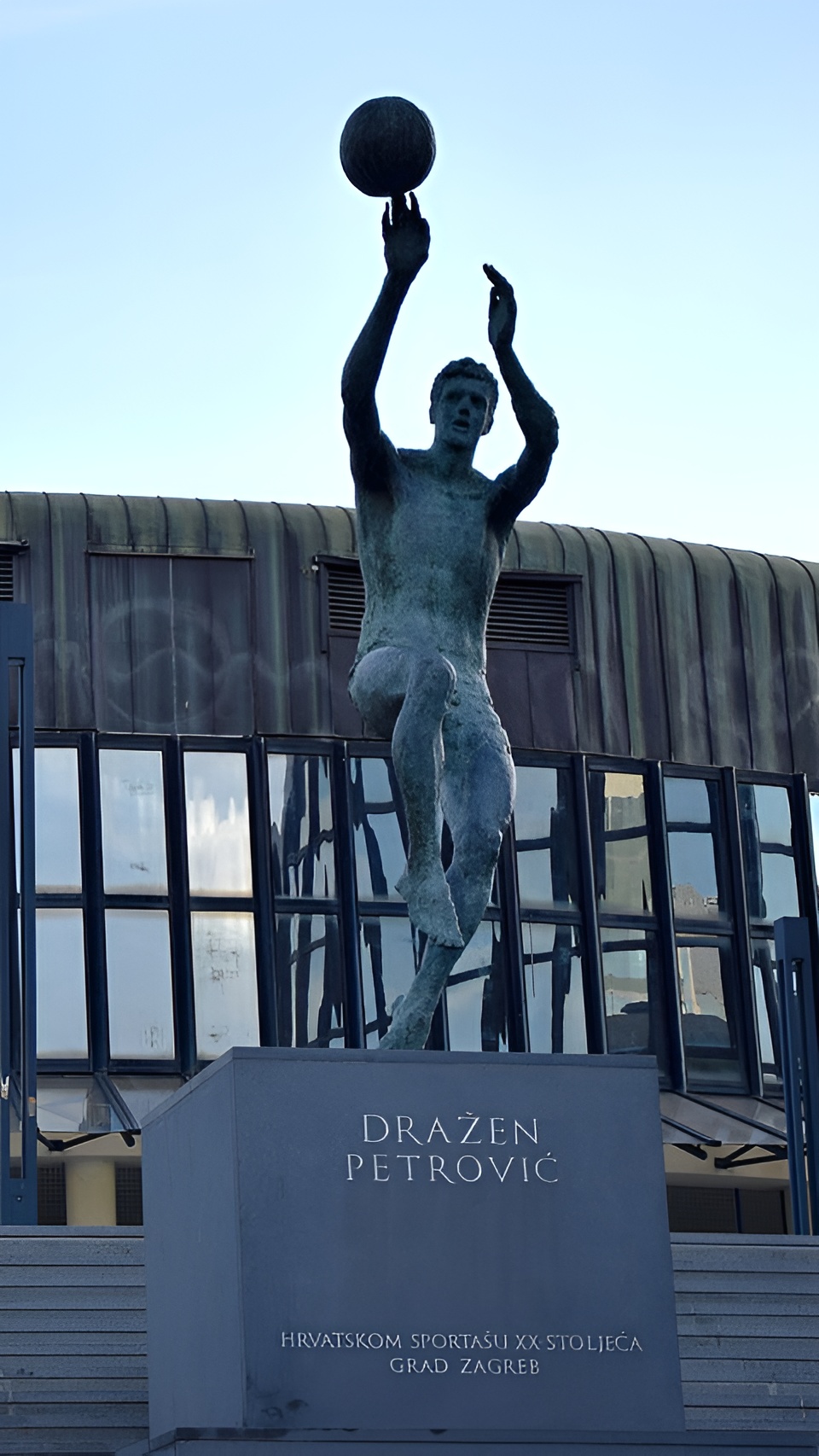
Dražen Petrović (1964–1993)
Born in 1964 in the city of Šibenik, Dražen Petrović, known by the nickname ‘The Mozart of Basketball,’ was one of the greatest basketball players in the world. He began his career at the age of 15, and from then on, led the Šibenik basketball club to first place in Yugoslavia. In 1984, he transferred to the Zagreb Cibona team. In 1990, he officially became a member of the NBA. Along the way, he also played for the Croatian national team at the Olympic Games, where they won the silver medal in 1992.
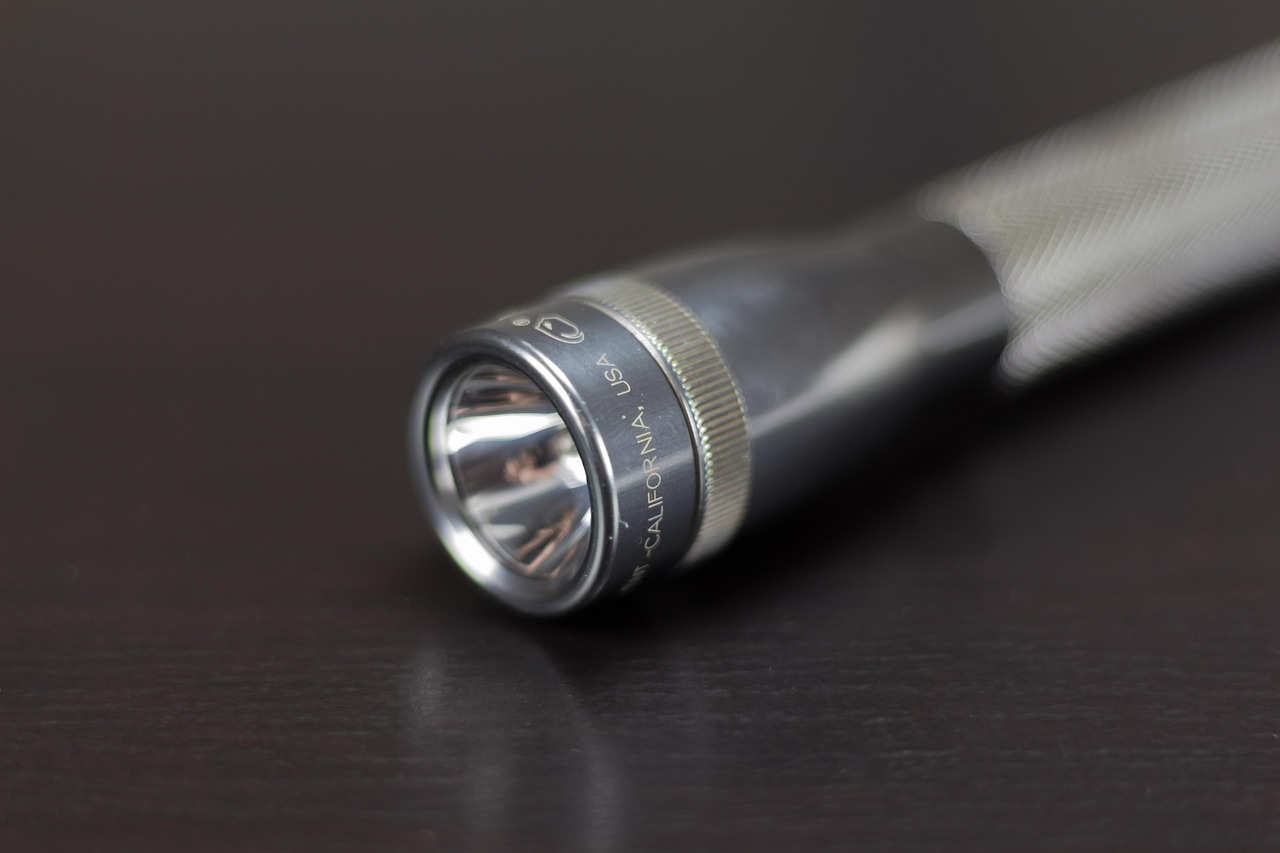
Ante Maglica (1930–)

Zlata Bartl (1920-2008)
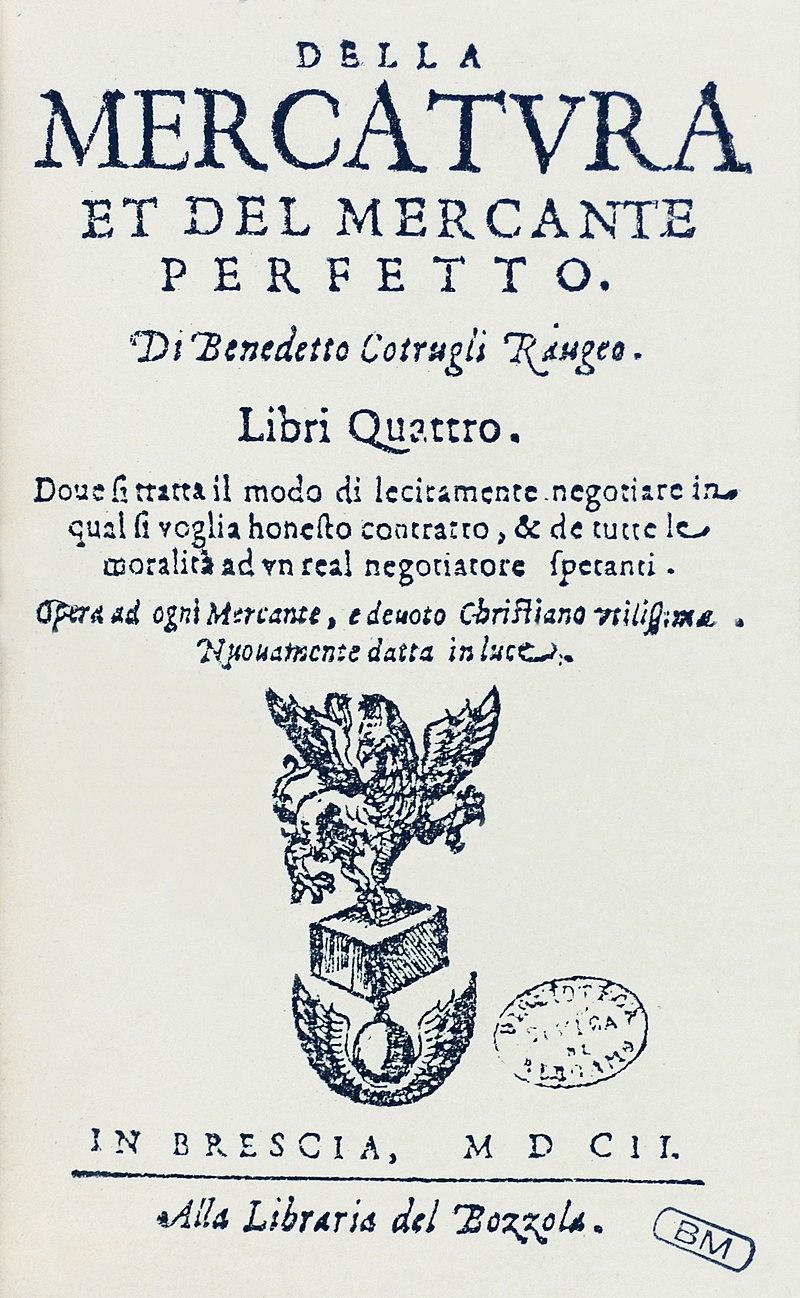
Benedikt Kotruljević (1416–1469)
Lived in Dubrovnik. In his manuscript Della mercatura e del mercante perfetto, he provided the first example of double-entry bookkeeping, where every entry to one account requires a corresponding and opposite entry to another account (the debit and credit system).