Homeland war
The Beginning of the End
Yugoslavia was originally formed after World War 2. It was formed by Slovenia, Croatia, Serbia, Bosnia and Herzegovina, Macedonia and Montenegro. After Yugoslavia’s leader Josip Broz Tito’s death in 1980, relationships between the member countries became less stable. The USSR’s collapse in 1991 additionally saw the collapse of communism in Europe, where Yugoslavia soon followed.
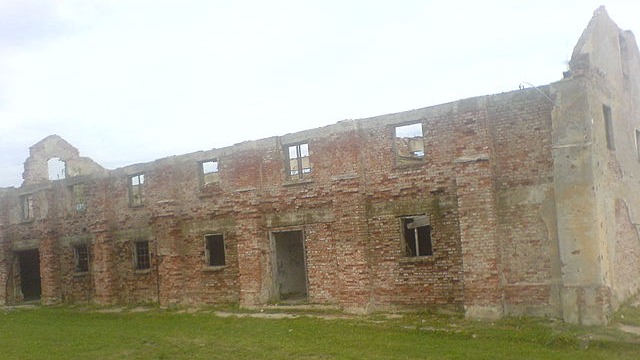
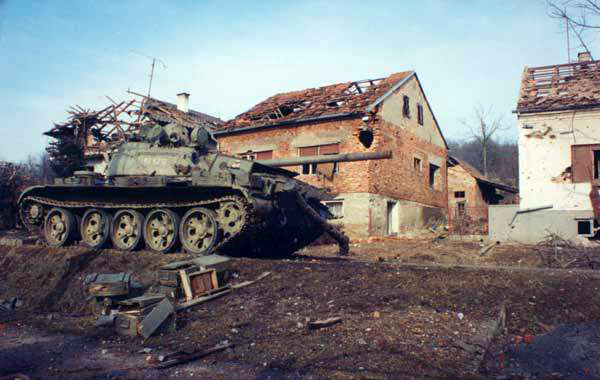
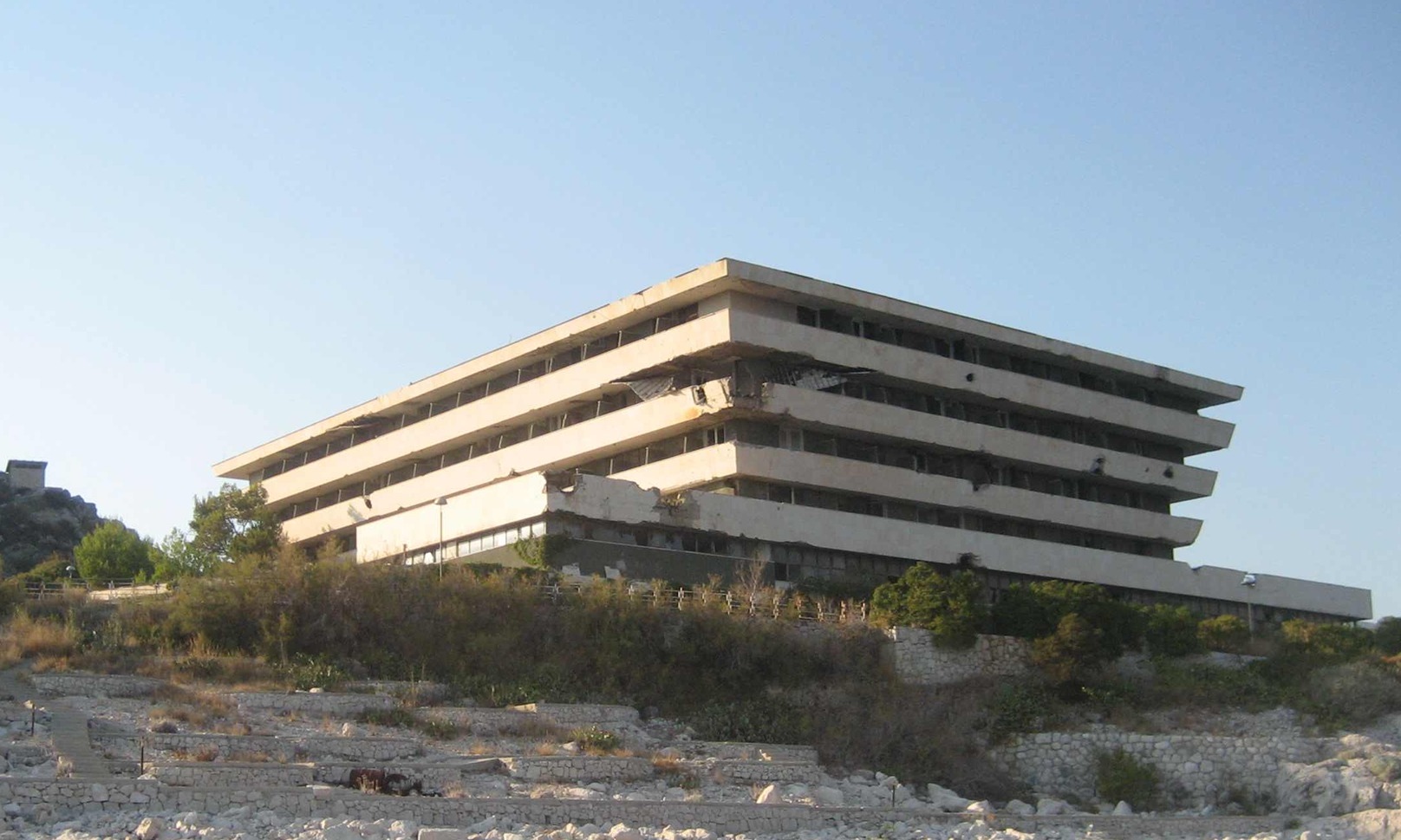
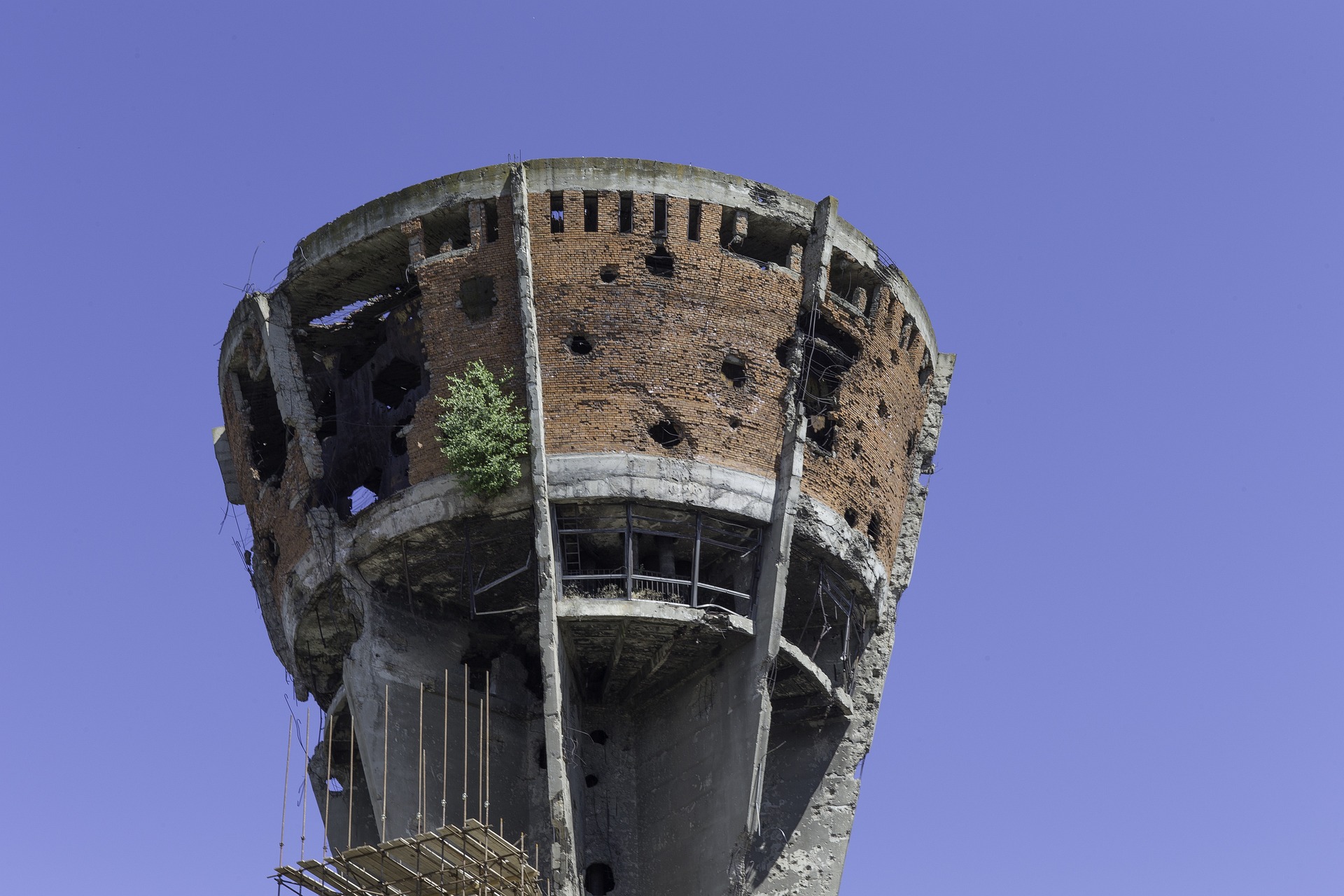
The Croatian Homeland War lasted from 1991 to 1995. The conflict was sparked between the newly formed Croatia and the Socialist Federal Republic of Yugoslavia. Ultimatively, Croatia and Slovenia wanted to branch off from Yugoslavia, which created the conflict. Inside Croatia lived a Serbian minority who were opposed to Croatia’s independence, and thus started a violent fight against the newly formed government. The territories bordering Serbia and Bosnia and Herzegovina came under heavy fire, especially the cities of Vukovar and Dubrovnik. As the Croats started to lose their territories, the UN called for a ceasefire.
In the meantime, the war switched place to Bosnia and Herzegovina. Serbian rebels inside the country fought against the new Bosnian government. Sarajevo, Bosnia and Herzegovina’s capital, came under heavy fire for four years.
Storm and Flash
Following the successful operations, Croatia regained its lost territories, and peace agreement negotiations began. The war ended on the 14th of December 1995 with the signing of the Dayton Accords. Yugoslavia recognized Croatia and Bosnia and Herzegovina, thus ending the fighting between the neighboring countries.
My Experience with the War
I spent the war period in my hometown, with daily sirens and frequent shelling. Although I was only 11 years old when the war began, I remember everything very well.
The breakup of the former Yugoslavia was bloody and deeply traumatic for many people. I was lucky that no one in my family was harmed and that our homes remained intact, even though the frontline was only a few kilometers away. By the time the war was reaching its final phase, I was finishing elementary school and starting high school.